- Products
- Service
- Expertise
- fischer group
- References
- Home
- References
- fischer reinforces the glass protective barrier of St. Mark's Cathedral

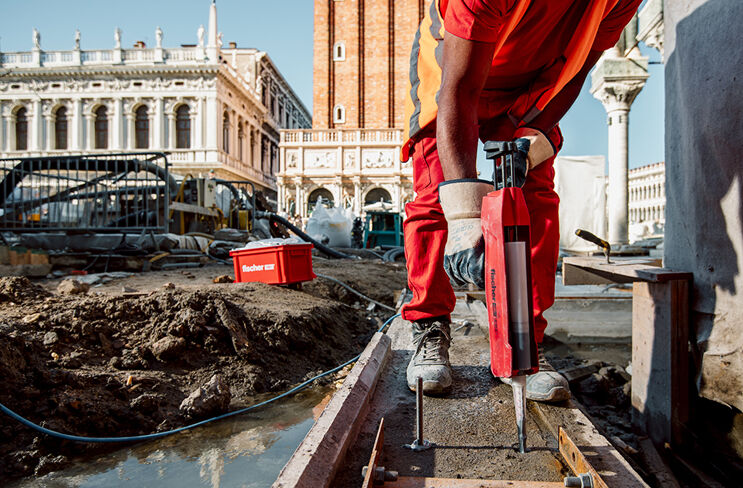
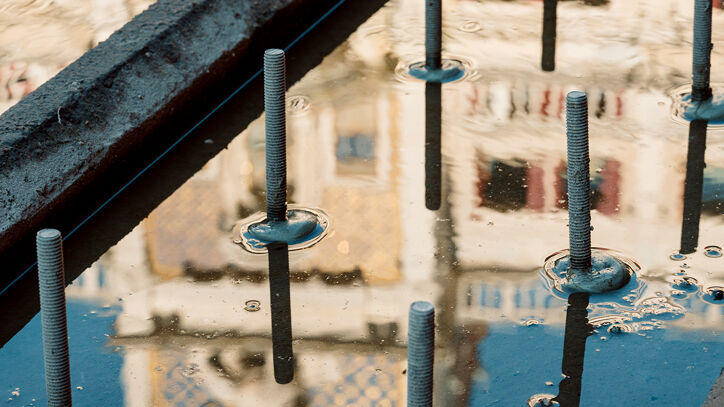
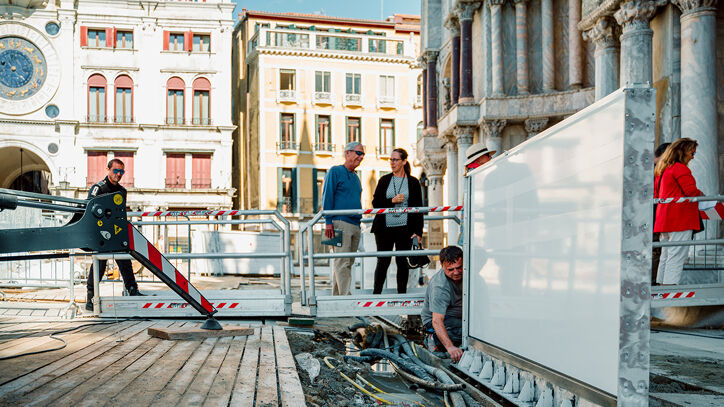
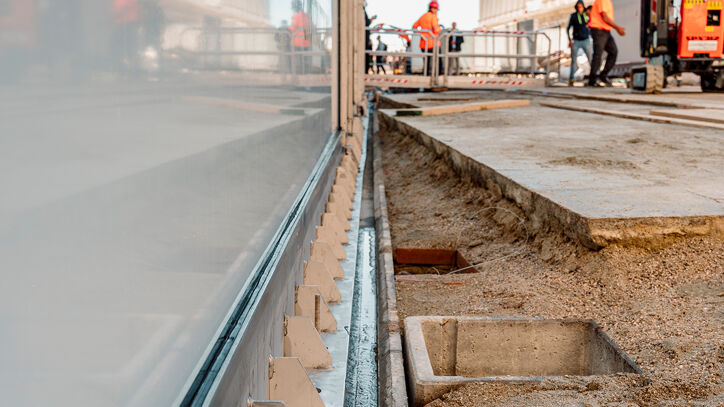
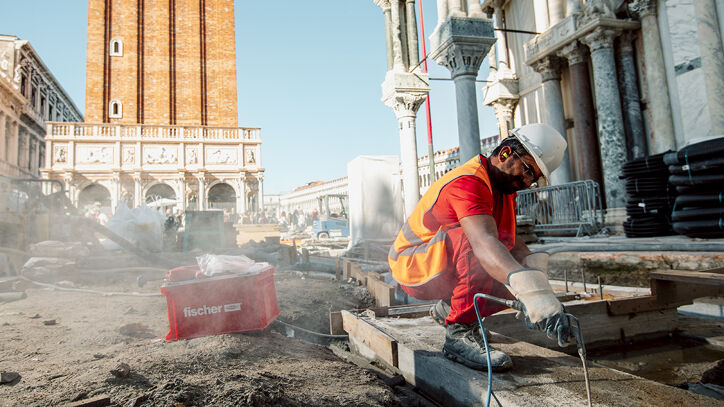
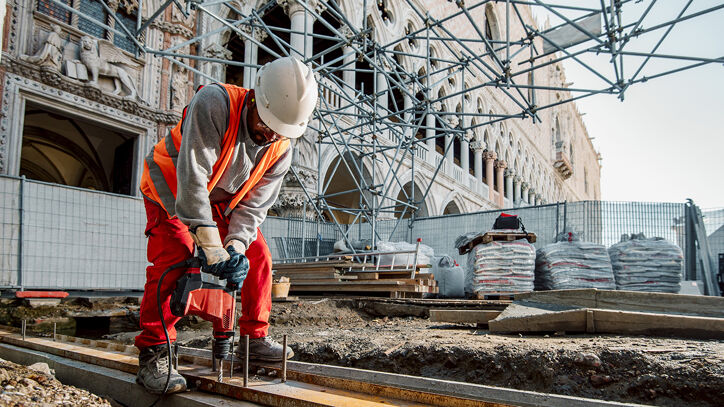
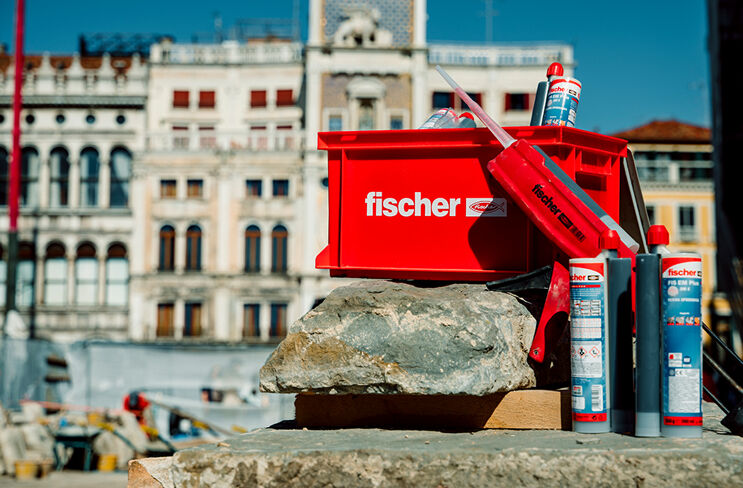
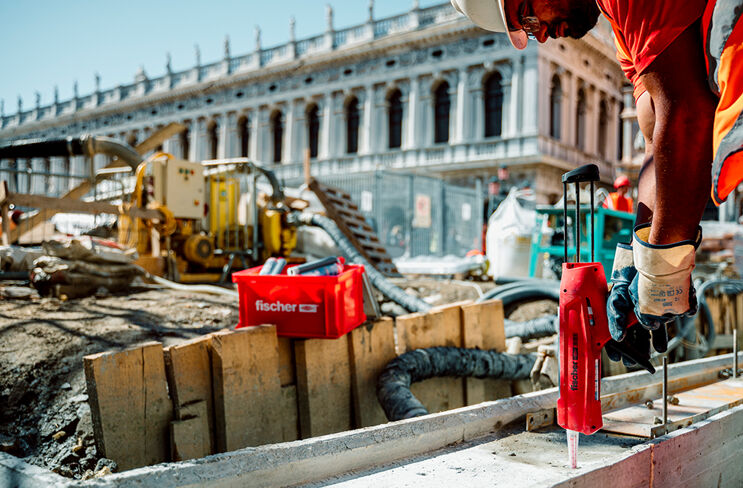
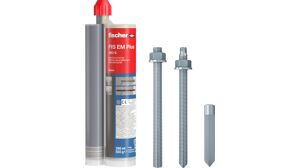
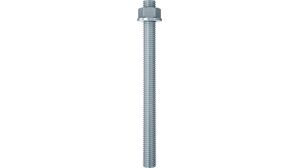
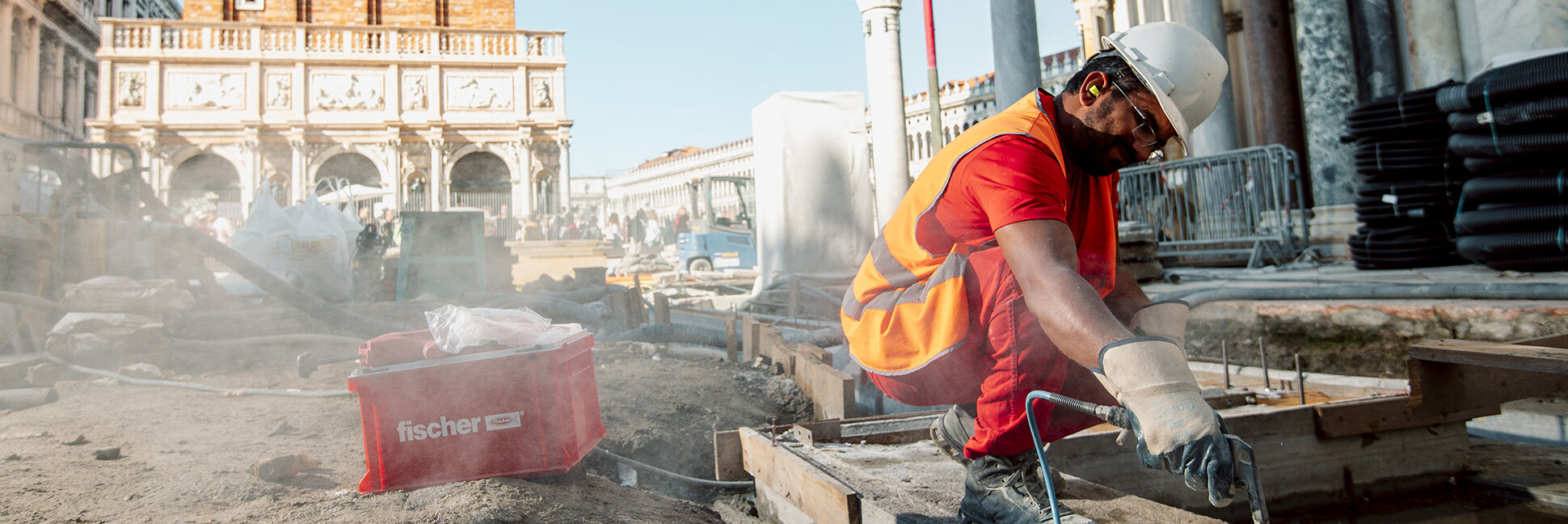
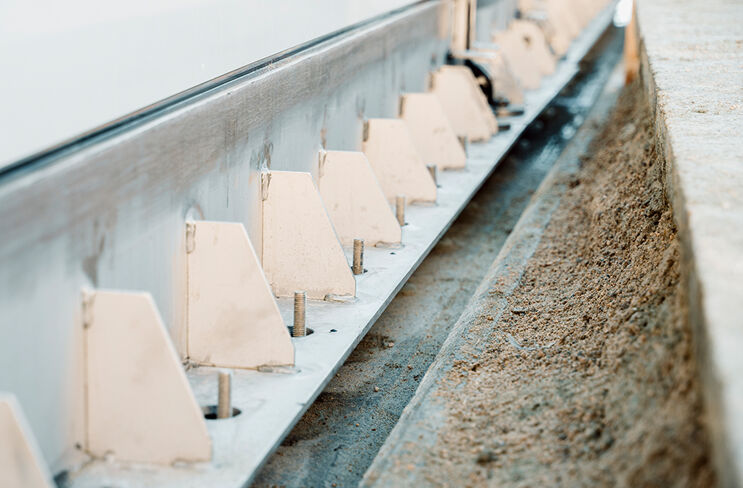
St Mark's Basilica in Venice is an architectural masterpiece and a landmark of the city. In recent years, it has repeatedly been threatened by flooding. A system of glass barriers will protect St Mark's Basilica from damage caused by flood waves and inundations in the future. Using the fischer injection mortar FIS EM Plus in combination with fischer FIS A anchor rods, the approximately 1.2 m high glass panels were permanently and securely anchored in the ground.
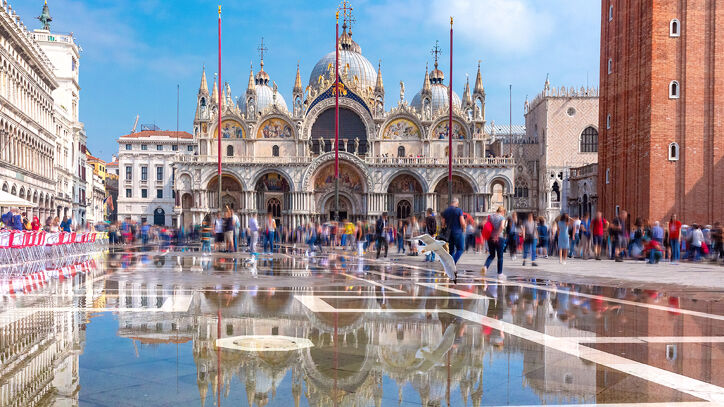
It is one of the main attractions of the city and one of the most spectacular cathedrals in all of Italy: St Mark's Basilica in Venice (Basilica di San Marco). Hundreds of thousands of visitors visit the church at St Mark's Square (Piazza San Marco) every year. For centuries, St Mark's Basilica has been the center of public and religious life in Venice.
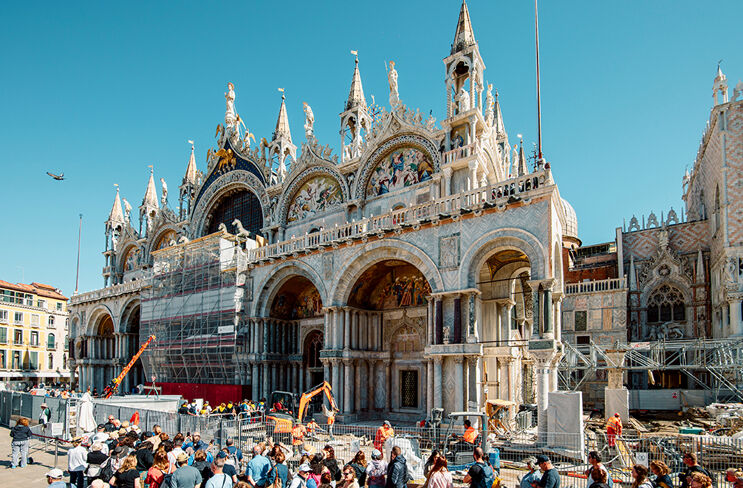
On the night of November 13, 2019, the water in Venice rose to 1.87 m above sea level. This is the highest recorded level since the devastating flood in 1966 with a gauge of 1.94 m. The saltwater penetrated the crypt of the cathedral, causing structural problems and damaging floor mosaics and masonry. The effects of efflorescence are severe, for example on bricks, limestone, and marble in St. Mark's Basilica.
In this process, the salts, as components of the building materials, are dissolved by moisture and migrate out of the structure. They remain on the surface of the building component as an unsightly deposit when the water evaporates. During evaporation and drying, the salts crystallize and expand in volume. The limestone and marble, which are typical for Venetian architecture, are particularly affected by the impact of saltwater. Sub-efflorescences form in the cavities and cracks of the stone, leading to flaking, cracking, and spalling.